01 / Fade Protection
Protect what sits beside the view
Reduce solar contributors to fading while continuing to manage placement of sensitive furnishings.
Explore Fade Protection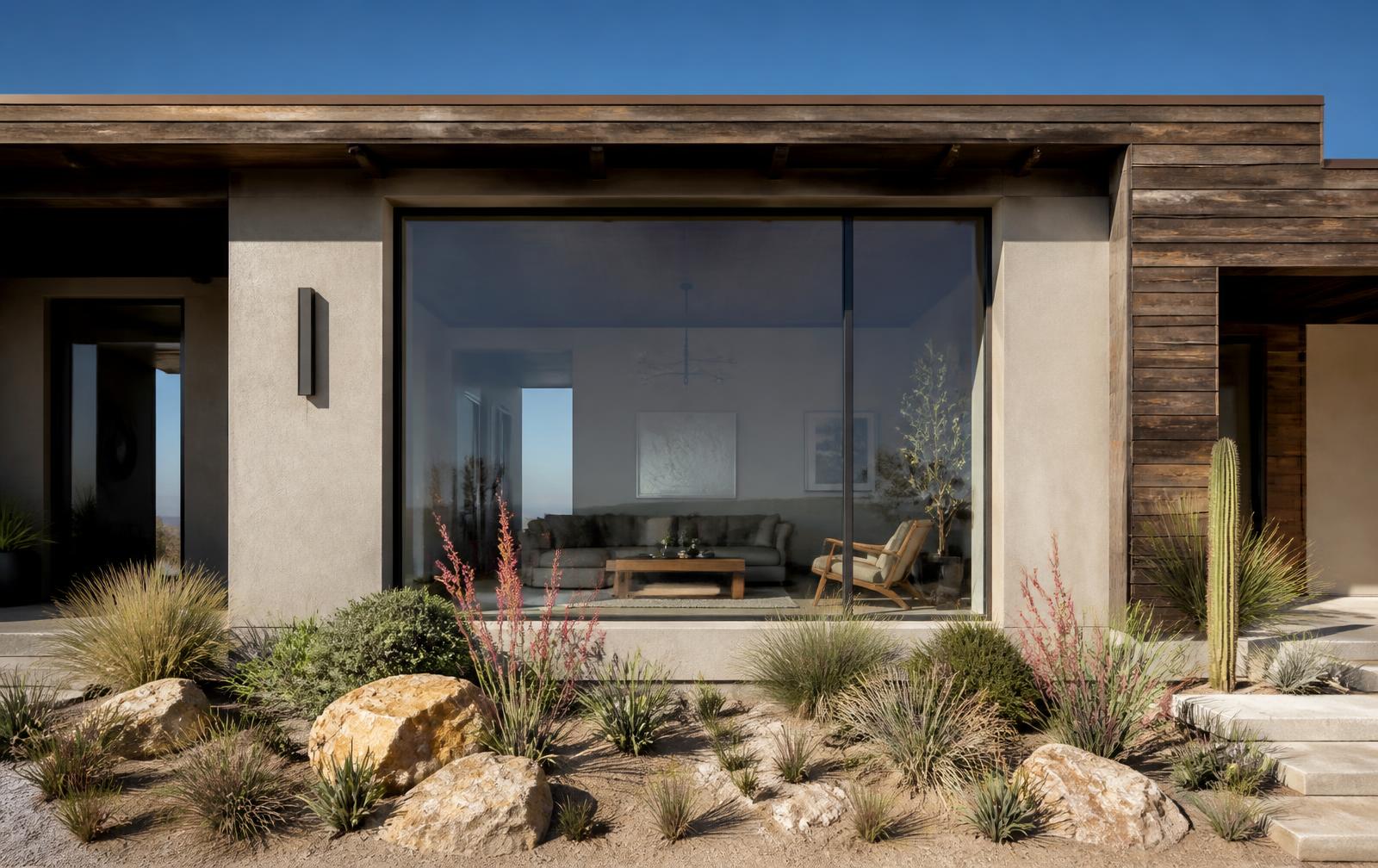
Antelope Valley / Architectural window film
Keep the outlook. Rethink the glare.
Quartz Hill window film planning can balance home daylight, view-through and privacy with the needs of small offices and neighborhood storefronts. Begin with the glass that affects everyday use, then compare lighter and stronger treatments on that glazing.
Quartz Hill / Homes
For a living room looking across an open yard, consider where direct sun reaches seating and how much natural light the room has away from the windows. A lighter film may preserve the outlook; a deeper shade may be more useful where the main complaint is brightness. Neither should be selected without checking the glass.
Bedroom windows and street-facing home offices need their own privacy plan. Exterior reflection is a daylight effect, not dependable screening for a lit room after dark. If uninterrupted privacy matters more than an outdoor view, frosted treatment or conventional coverings may be the better comparison.
Residential window film options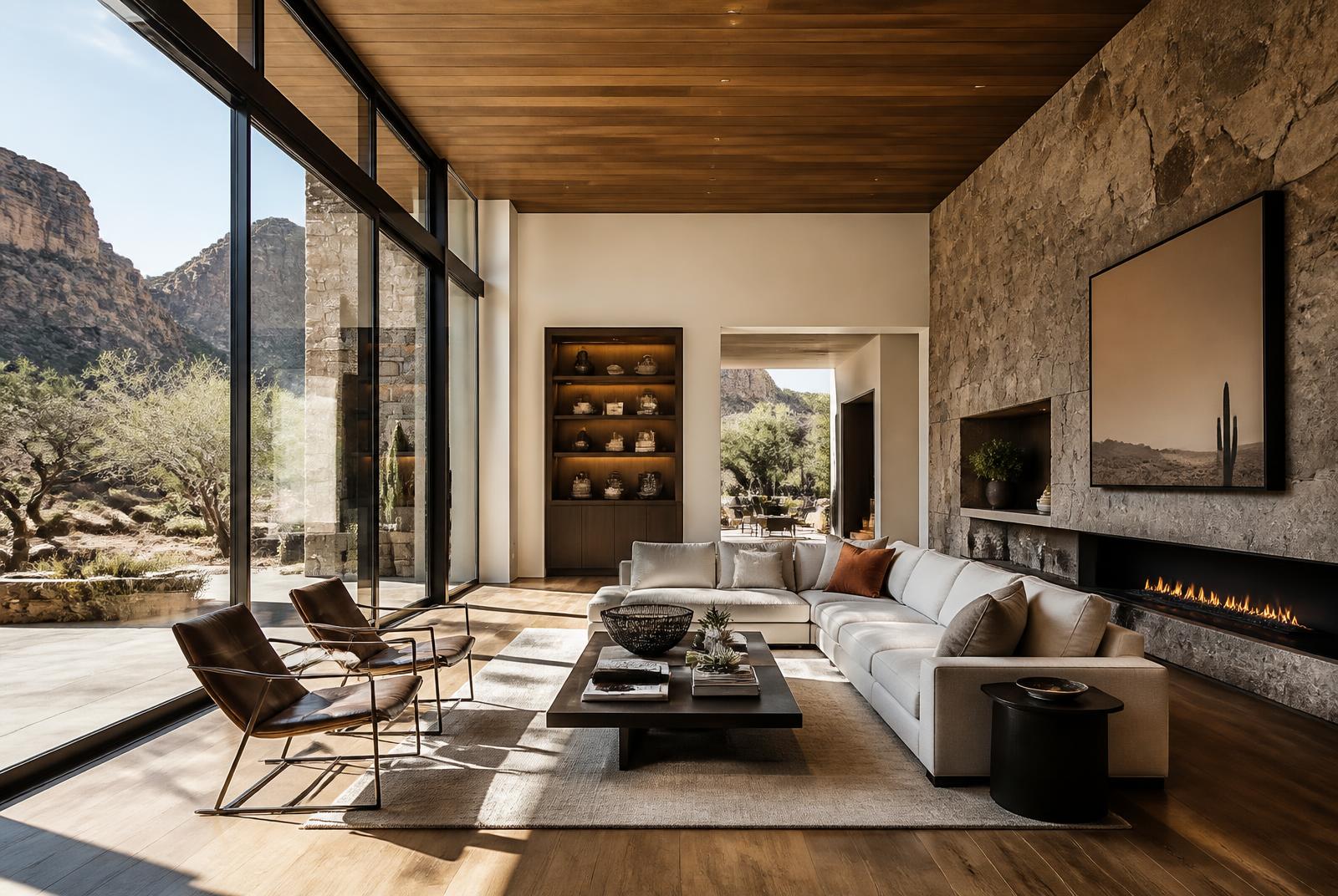
Choose by problem
01 / Fade Protection
Reduce solar contributors to fading while continuing to manage placement of sensitive furnishings.
Explore Fade Protection02 / Heat Rejection
Review sun-side panes against cooler, shaded rooms before deciding how much glass to treat.
Explore Heat Rejection03 / Reflective Privacy
A daytime screened view has different tradeoffs from round-the-clock privacy.
Explore Reflective PrivacyCompare a sample from the window and from the seating position.
01 / Outdoor outlook
Keep the tone and outward view in the comparison.
02 / View glass
Review reflection under changing light.
03 / Seated view
Check daylight deeper inside the room.
Quartz Hill / Businesses & facilities
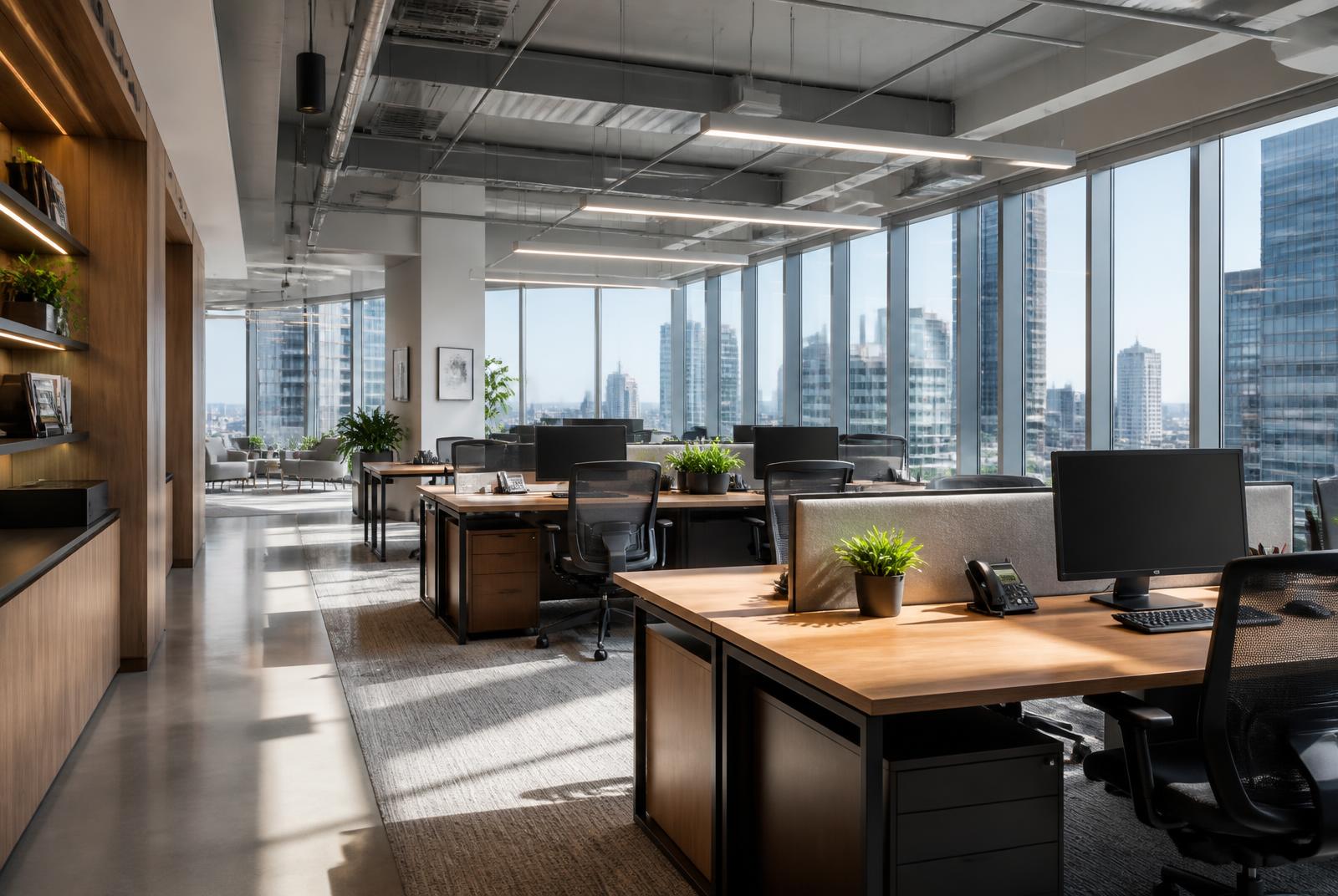
A small office can concentrate its comfort problem at one desk or waiting seat beside the front window. Document that position rather than treating the whole suite by habit. Decorative film on an interior door or partition offers a separate way to create a quiet consultation space.
For a shop, consider how a proposed exterior shade changes visibility from outside. If glazing is shared across a building, review the appearance with the property manager. Surface-protection or glass-retention needs should be listed separately from the solar-control brief.
Glass first
Compare the sample while seated in the room and from outside. Review window construction and any appearance rules before settling on a tone for a large picture window or front elevation.
Include large picture windows, doors and upper panes as separate measurements. Existing coverings, trim access and old film affect preparation; do not estimate the whole house from a single window.
Individual pane sizes and quantity, film selection, accessible working space and preparation affect cost. Existing-film removal and a specified security attachment system can add distinct work. Compare the written scope rather than an assumed price per house.
01
Include large picture windows, doors and upper panes as separate measurements. Existing coverings, trim access and old film affect preparation; do not estimate the whole house from a single window.
02
Compare the sample while seated in the room and from outside. Review window construction and any appearance rules before settling on a tone for a large picture window or front elevation.
03
Check the selected product against the actual glazing, confirm the intended appearance and outline preparation, access and any required attachment. Review scope and price before arranging work.
04
Discuss access, protection of the occupied space and the selected product’s care instructions. Scheduling and installation details follow the agreed project scope.
See both sides of the glass
Explore synchronized interior and exterior views, representative film families and changing light. The visualizer is an appearance approximation; the actual glass and final product determine the result.
Open the window film visualizerLocal answers
Some solar-control film families are designed for a lighter appearance. The available choices depend on the glazing and desired result; compare samples for tone, reflection and brightness.
Shade alone does not establish solar performance. Review the chosen film’s data for the actual glass, alongside the daylight and glare goals of the room.
Look at the window in daylight and with the room lights on after dark. Reflective screening can reverse at night; choose coverings or an obscuring treatment if nighttime privacy is essential.
Film can help manage solar contributors to fading, but it does not guarantee that flooring will retain its color. Discuss the material, direct sunlight and other shading measures.
Identify the occupied position affected by sun, then review the front-glass appearance and any interior privacy needs. A single product may not be appropriate for every pane.
Check any applicable association, lease or property rules. A sample and product information can support the review, but no film category automatically assures approval.
 Authorized XPEL VISION Dealer
Fresh Off The Lot is an Authorized XPEL VISION Dealer. Compare these families for Quartz Hill glass, then confirm availability and compatibility in your estimate.
These are published XPEL VISION products. We confirm availability, glass compatibility and the exact film in your estimate.
Client work
Explore examples of our window film work, then discuss options and availability for your Quartz Hill property.
Compare Quartz Hill with related communities and its regional overview.
Antelope Valley regional guide →Share your address or ZIP, property type and the windows you want to improve. We’ll confirm availability for your project.