01 / Glare Reduction
Address screen washout
A workstation or television needs useful brightness reduction at the time it is actually used.
Explore Glare Reduction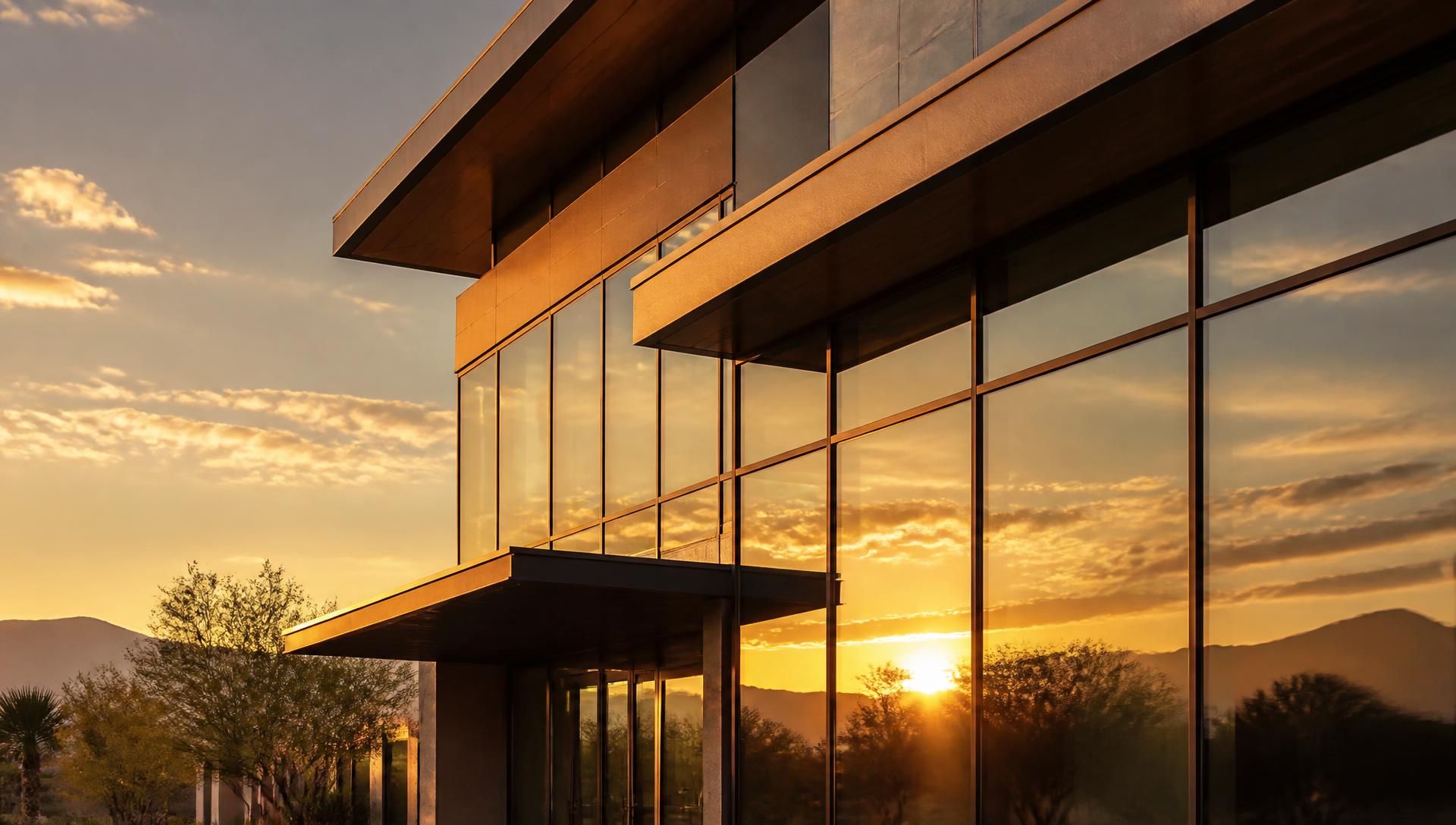
Antelope Valley / Architectural window film
Better daylight. More usable glass.
For Lancaster homes and commercial properties, window film choices start with how the glass is used: afternoon screen glare, exposed seating, storefront visibility or privacy between rooms. Match each need to a compatible treatment rather than choosing one dark film for the whole building.
Lancaster / Homes
A television opposite a bright window and a desk beside a slider can need different levels of glare control. Record when sunlight reaches those surfaces. A neutral shade can change the room’s brightness, while a lighter solar-control option may preserve more daylight without resolving the same amount of glare.
For floors, upholstery and artwork near glass, consider UV, visible light and solar heat together. Film can help manage solar contributors to fading, but it cannot stop aging or all discoloration. Keep delicate objects away from direct sun and compare samples against the colors in your room.
Residential window film options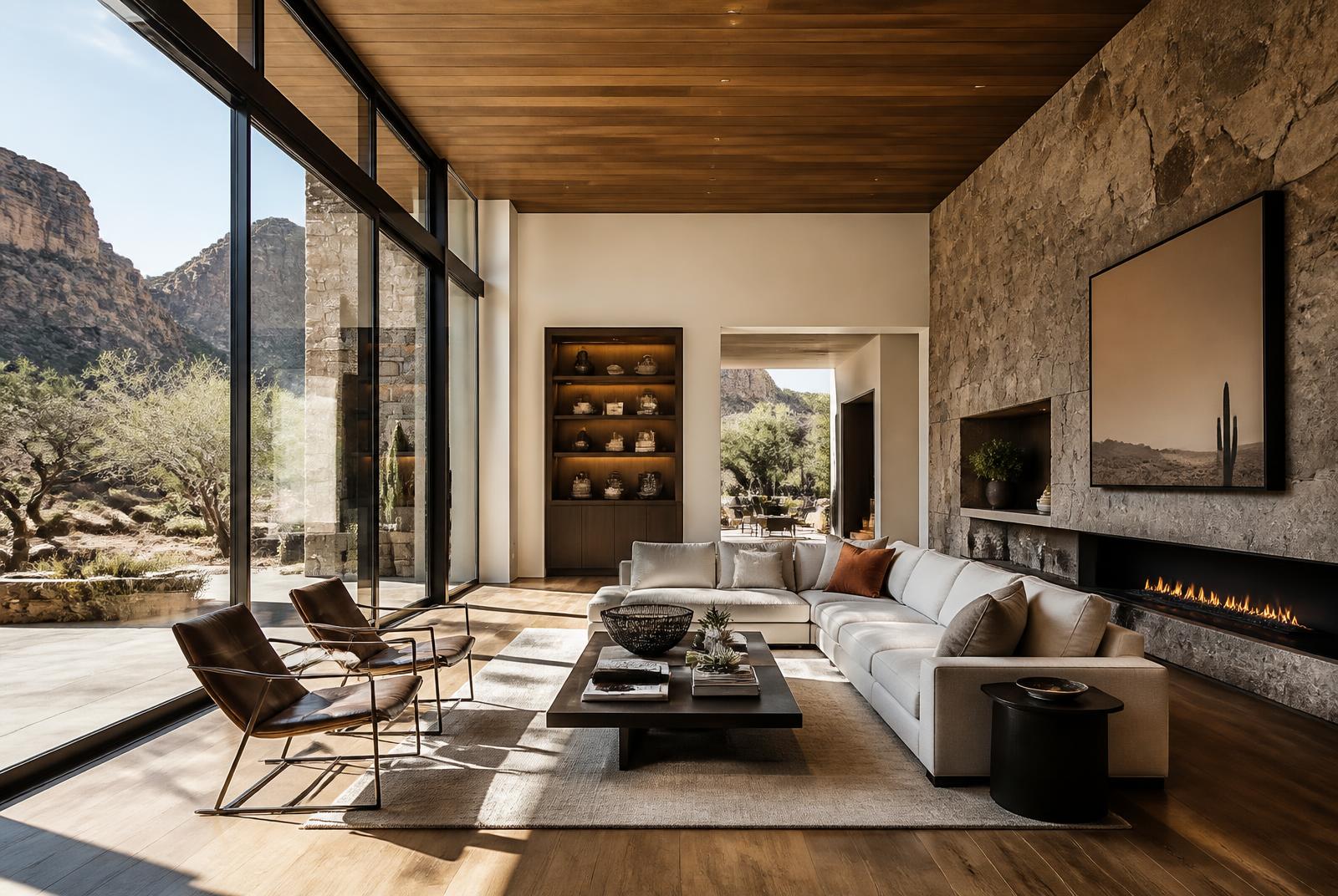
Choose by problem
01 / Glare Reduction
A workstation or television needs useful brightness reduction at the time it is actually used.
Explore Glare Reduction02 / Decorative / Frosted
Obscure interior sightlines without forcing a reflective exterior finish onto every window.
Explore Decorative / Frosted03 / Anti-Graffiti
Consider a replaceable layer where storefront glass is exposed to marking or abrasion.
Explore Anti-GraffitiA conceptual storefront and interior partition, not a completed project.
01 / Public display
Review visibility from outdoors.
02 / Solar-control glass
Compare brightness in occupied areas.
03 / Private room
Use obscuring film for private interior sightlines.
Lancaster / Businesses & facilities
An outward-facing retail window may need to remain inviting and easy to see through. Treat display visibility separately from a rear office or consultation room, where frosted glass can obscure sightlines. A uniform exterior finish and a more private interior treatment can belong in the same specification.
Property managers can separate recurring surface damage from heat complaints. Anti-graffiti film provides a sacrificial layer on suitable accessible glass, while solar-control film addresses sun entering occupied spaces. If safety is part of the brief, assess glazing retention and attachment independently of those appearance decisions.
Glass first
Compare interior frost patterns from both sides of a partition. For exterior treatment, check existing coatings and any landlord requirements; a matching-looking pane can still have a different glass assembly.
List storefront panes separately from interior partitions. Note display access, business occupancy, old film and any surface damage that must be evaluated before applying a new layer.
Individual pane sizes and quantity, film selection, accessible working space and preparation affect cost. Existing-film removal and a specified security attachment system can add distinct work. Compare the written scope rather than an assumed price per house.
01
List storefront panes separately from interior partitions. Note display access, business occupancy, old film and any surface damage that must be evaluated before applying a new layer.
02
Compare interior frost patterns from both sides of a partition. For exterior treatment, check existing coatings and any landlord requirements; a matching-looking pane can still have a different glass assembly.
03
Check the selected product against the actual glazing, confirm the intended appearance and outline preparation, access and any required attachment. Review scope and price before arranging work.
04
Discuss access, protection of the occupied space and the selected product’s care instructions. Scheduling and installation details follow the agreed project scope.
See both sides of the glass
Explore synchronized interior and exterior views, representative film families and changing light. The visualizer is an appearance approximation; the actual glass and final product determine the result.
Open the window film visualizer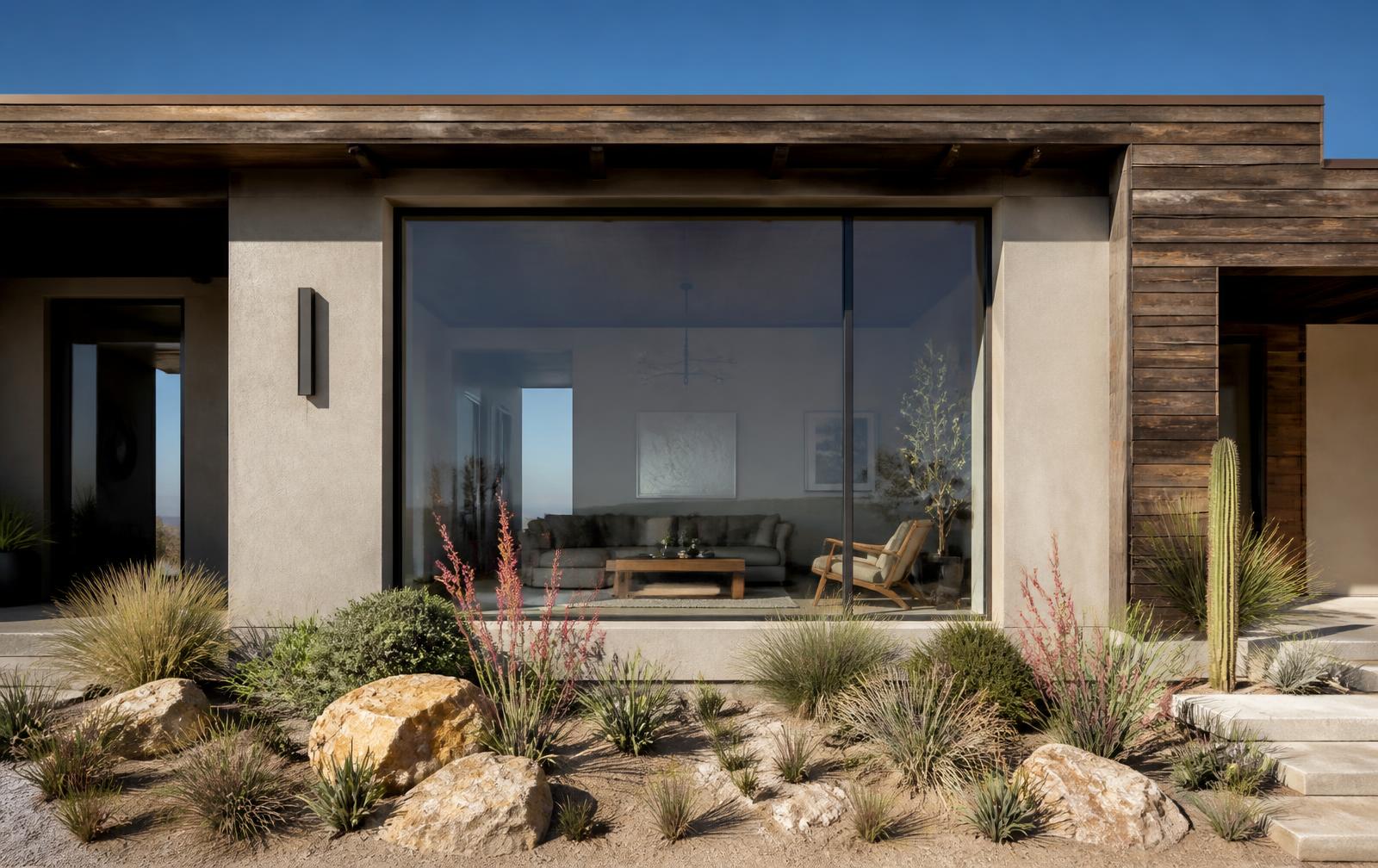
Local answers
The result depends on film tone, reflection and lighting. View a sample from the sidewalk as well as inside the shop before balancing display visibility with solar control.
An obscuring film can reduce direct sightlines through suitable interior glass. Choose coverage and placement carefully; silhouettes may still be visible when someone is close to strongly backlit glass.
No. It is a sacrificial surface layer, not glass repair. Existing damage should be assessed before installation, and deep damage can reach the glass beneath the film.
Only if the glass and goals align. Desk glare, television reflections and view preservation can justify different shades or treatments on different elevations.
It can help reduce solar contributors, including UV transmission, but fading also involves visible light, heat, material stability and environmental factors. Sensitive items still need sensible placement and shading.
Include pane dimensions, work areas near the windows, access restrictions and any required landlord approval. Separate comfort, decorative privacy and safety goals so each can be scoped clearly.
 Authorized XPEL VISION Dealer
Fresh Off The Lot is an Authorized XPEL VISION Dealer. Compare these families for Lancaster glass, then confirm availability and compatibility in your estimate.
These are published XPEL VISION products. We confirm availability, glass compatibility and the exact film in your estimate.
Client work
Explore examples of our window film work, then discuss options and availability for your Lancaster property.
Compare Lancaster with related communities and its regional overview.
Antelope Valley regional guide →Share your address or ZIP, property type and the windows you want to improve. We’ll confirm availability for your project.