Performance
Keep the view. Lose the squint.
Glare is the reason blinds stay shut in beautiful buildings. Film lets you manage the harshest light at the glass so the space stays open, daylit and usable — including in the late afternoon when the High Desert sun sits low and hard.
Glare Reduction Window Film overview
How does window film reduce glare?
Glare control film lowers the amount of visible light transmitted through the glass, which reduces the brightness contrast that makes screens hard to read and rooms uncomfortable. The darker or more reflective the film, the more glare it controls — so selection is a balance between comfort and view.
What you get
Usable screens all day
Lower transmitted light means fewer washed-out monitors and less repositioning of desks.
Blinds stay open
Occupants keep daylight and views instead of blacking out the elevation to cope with glare.
Selectable intensity
Light neutral films soften glare gently; darker or dual-reflective films handle severe exposures.
What to know before you buy
- More glare control generally means less visible light — we sample options on site where possible.
- Glare is directional; the same film can feel different on a north elevation than a west one.
How it works
Where the energy goes
Answers
Glare Reduction questions
Will glare film make the office feel gloomy?
Not if it is specified correctly. Neutral films reduce peak brightness while keeping the space daylit. We usually recommend the lightest film that solves the problem on that elevation.
Does glare film also help with heat?
Most glare control films provide some solar heat rejection as well, but the two are specified differently. If heat is the bigger complaint, we lead with a solar control product.
Appearance demo
See the general look
Drag or use the arrow keys to compare the original client photo with a digital treatment of the same photo. It is a visual guide only—samples on your own glass show the real result.
Original photo vs simulated glare-reducing tint look
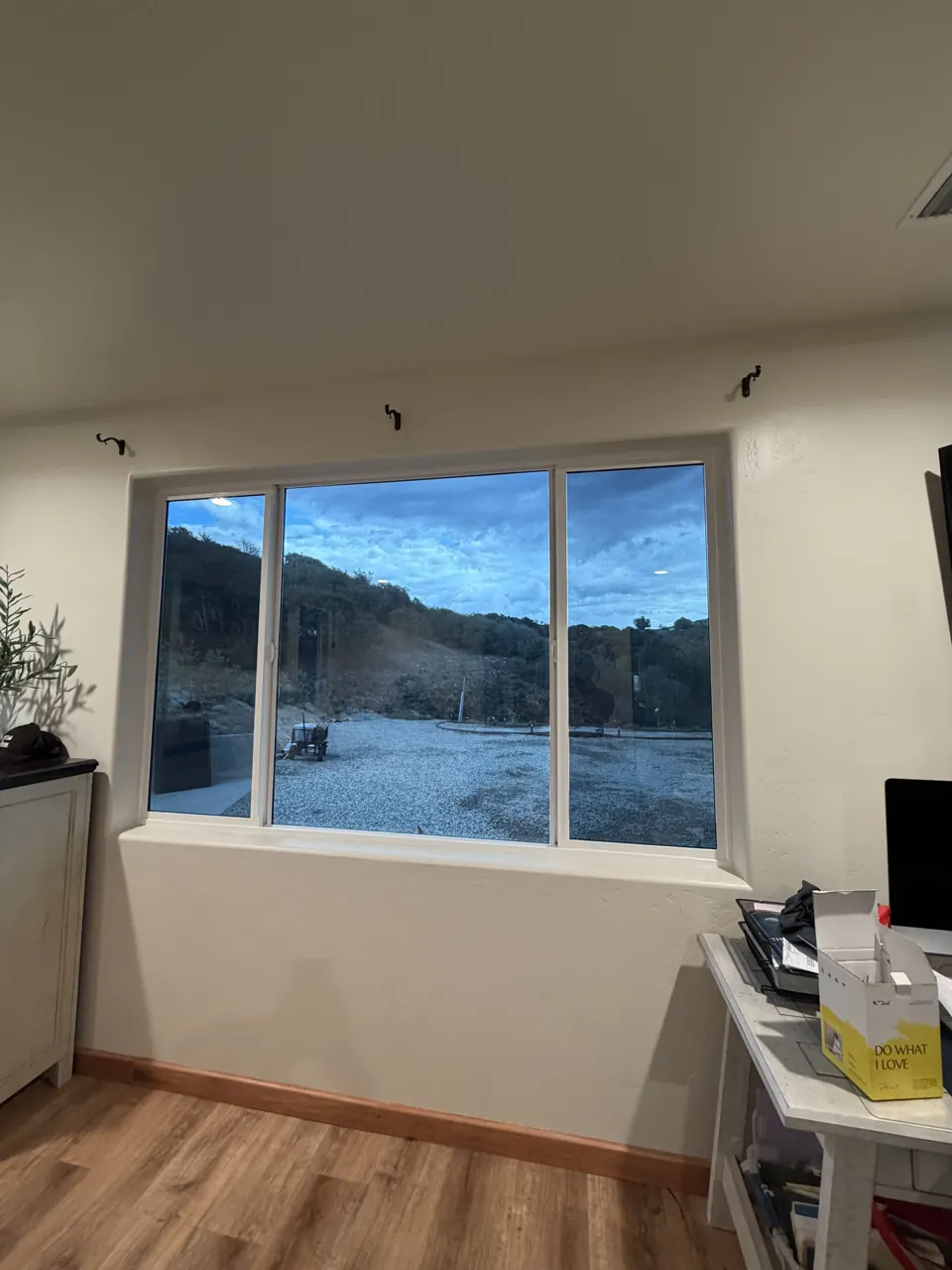 Original photoSimulated solar-control look
Project spotlights
Related client work
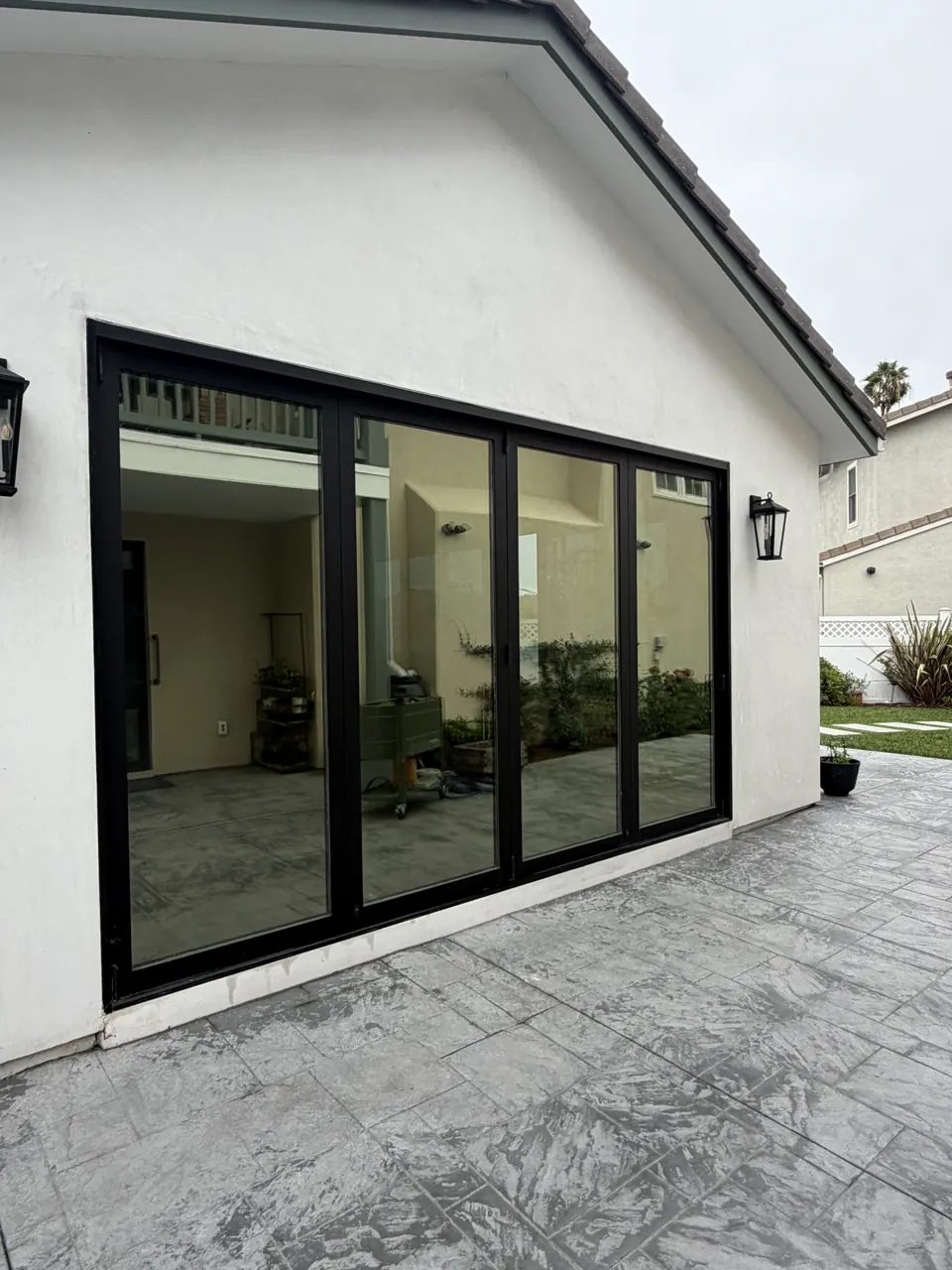
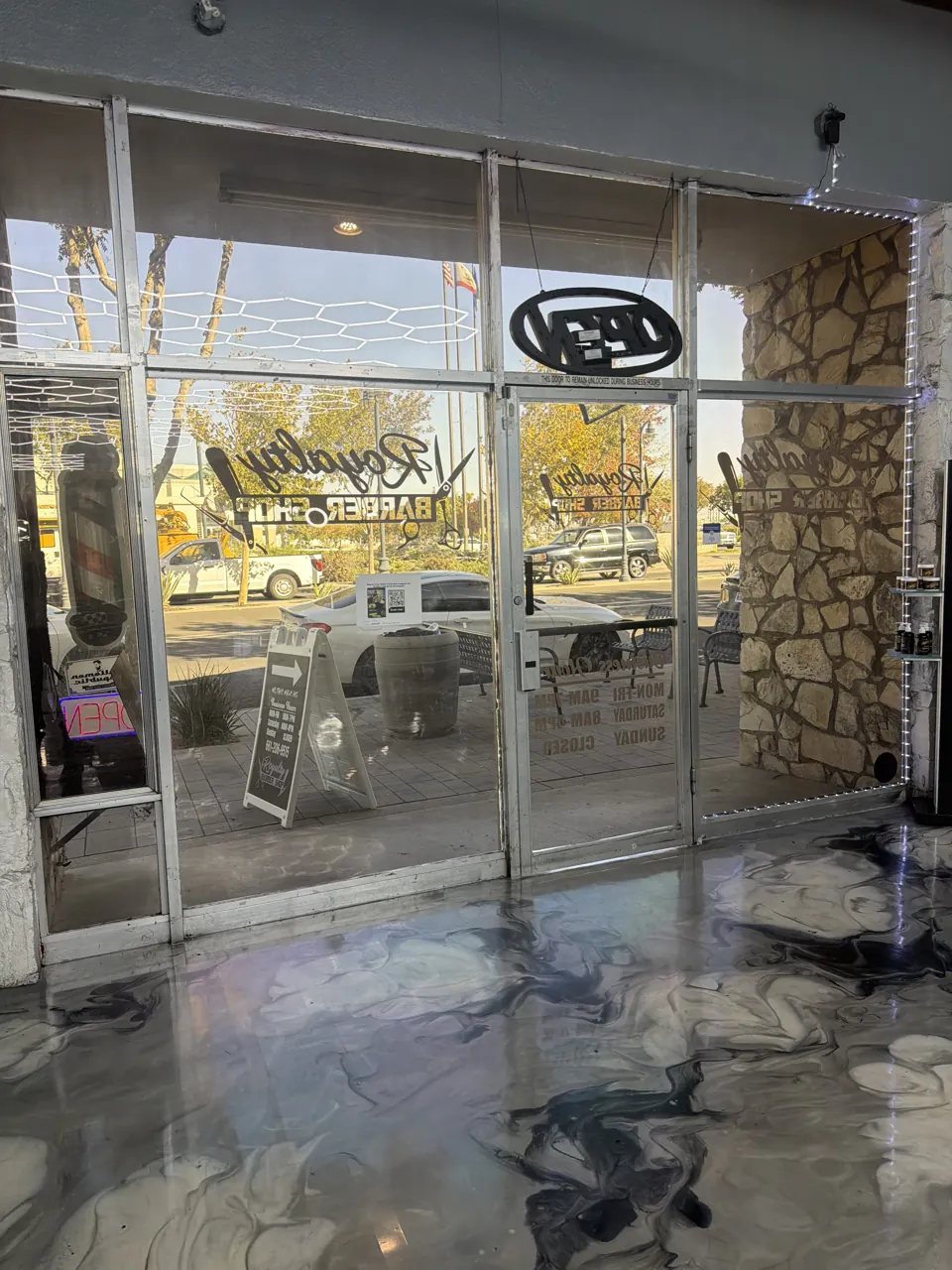
Genuine Fresh Off The Lot photo spotlights connected to this film category.
 Authorized XPEL VISION Dealer
XPEL VISION options: Glare Reduction
Published XPEL VISION families that relate to this goal. Each page shows documented options, master-sheet values and official specification sheets.
- Evening ViewLower interior reflection so the view out stays clearer as the light drops.5 options · Interior
- Blend DRDual-reflective blend for strong sun and a muted interior look.4 options · Interior
- Dark NeutralDarker tint for heat and glare with a non-mirrored look.2 options · Interior
- All SeasonLow-emissivity films aimed at both summer sun and winter heat loss.2 options · Interior
- Exterior NeutralNeutral solar control applied to the outside of the glass.2 options · Exterior
- Exterior Blend DRA very dark dual-reflective film for the outside of the glass.1 option · Exterior
- Clear View AlloyLight-to-medium alloy shades between ceramic and reflective looks.3 options · Interior
- DaylightNeutral shades for moderate glare and a calm, even look.2 options · Interior
- BronzeWarm reflective tone for daytime privacy and solar control.2 options · Interior
These are published XPEL VISION products. We confirm availability, glass compatibility and the exact film in your estimate.
Further reading
Understand the glass before you choose
Get a straight answer and a real number.
Tell us the building, the elevation and the problem. We'll tell you what film makes sense — and what doesn't.