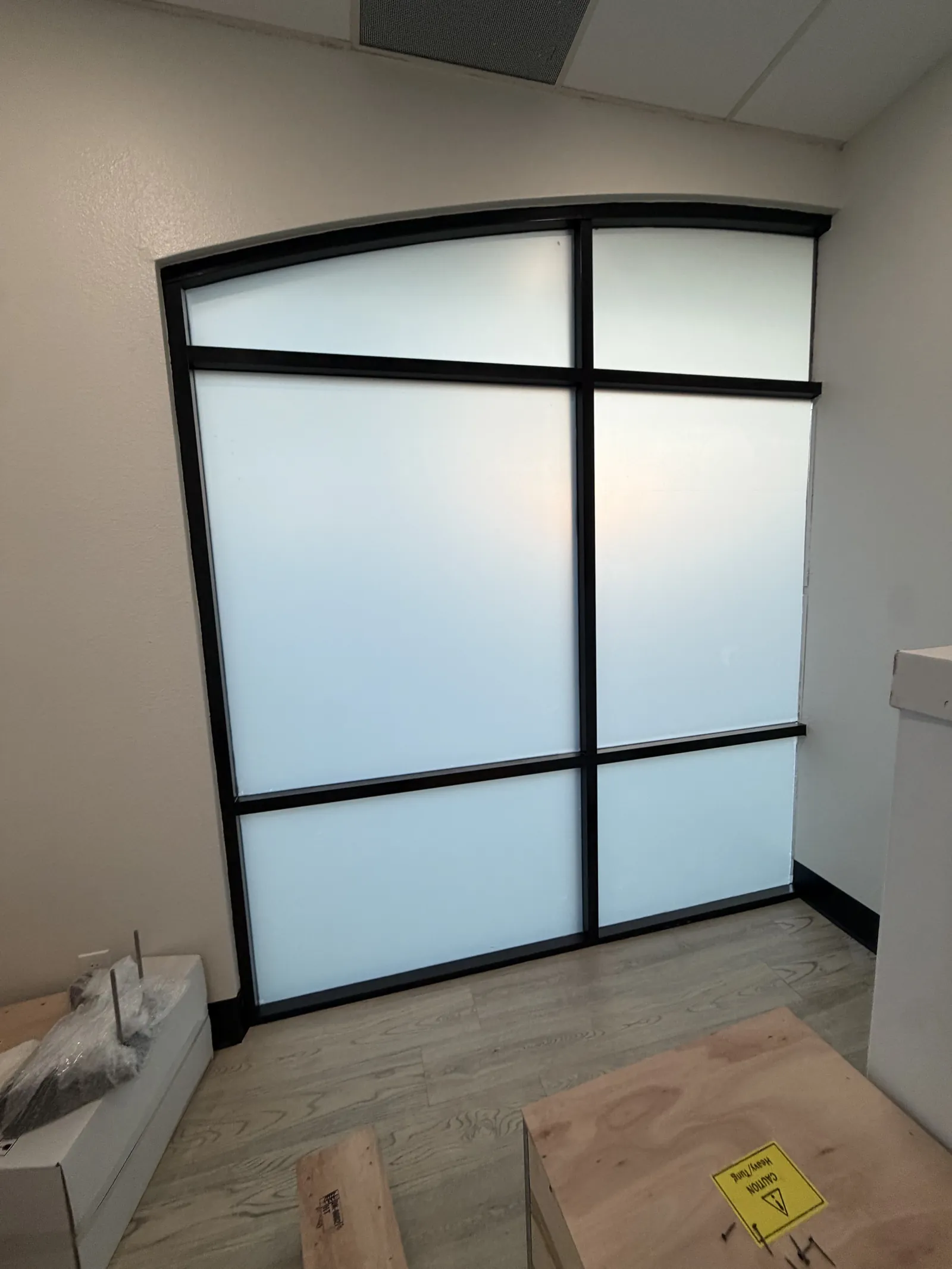
Commercial
Window film for offices, retail and multi-tenant buildings
Comfort complaints, energy load, appearance consistency, vandalism and glass safety — all of them land on the same surface. We treat it as building work, not a retail purchase.
What does commercial window film actually solve?
Architectural films can address solar heat, screen glare, privacy and appearance. Dedicated safety and anti-graffiti films address different glass-related risks. The right choice depends on your goals and existing glazing; one film does not necessarily solve every concern.
Problem / response
Common glass concerns and film options
| Problem | What it looks like | Film response |
|---|---|---|
| Perimeter hot spots | Desks near glass are unusable by 2pm; thermostat wars. | Solar control film on the affected elevation |
| Screen glare | Blinds permanently closed; daylight wasted. | Neutral glare-control film |
| Tenant comfort complaints | Repeat service calls on the same suites. | Whole-elevation specification for consistency |
| Dated exterior appearance | Mismatched shades and coverings across the facade. | Uniform film for a single, deliberate elevation |
| Graffiti and etching | Recurring glass replacement on street level. | Sacrificial anti-graffiti film |
| Glass safety exposure | Large ground-floor lites and entry sidelites. | Safety film, with attachment where warranted |
Energy
Where the solar load is actually entering
Perimeter cooling costs come from the glass line. Film shifts the balance of what's reflected, absorbed and transmitted.
Energy savings require a building-specific assessment. Review the selected film’s performance data for your glass type rather than relying on a general savings estimate.
Office privacy
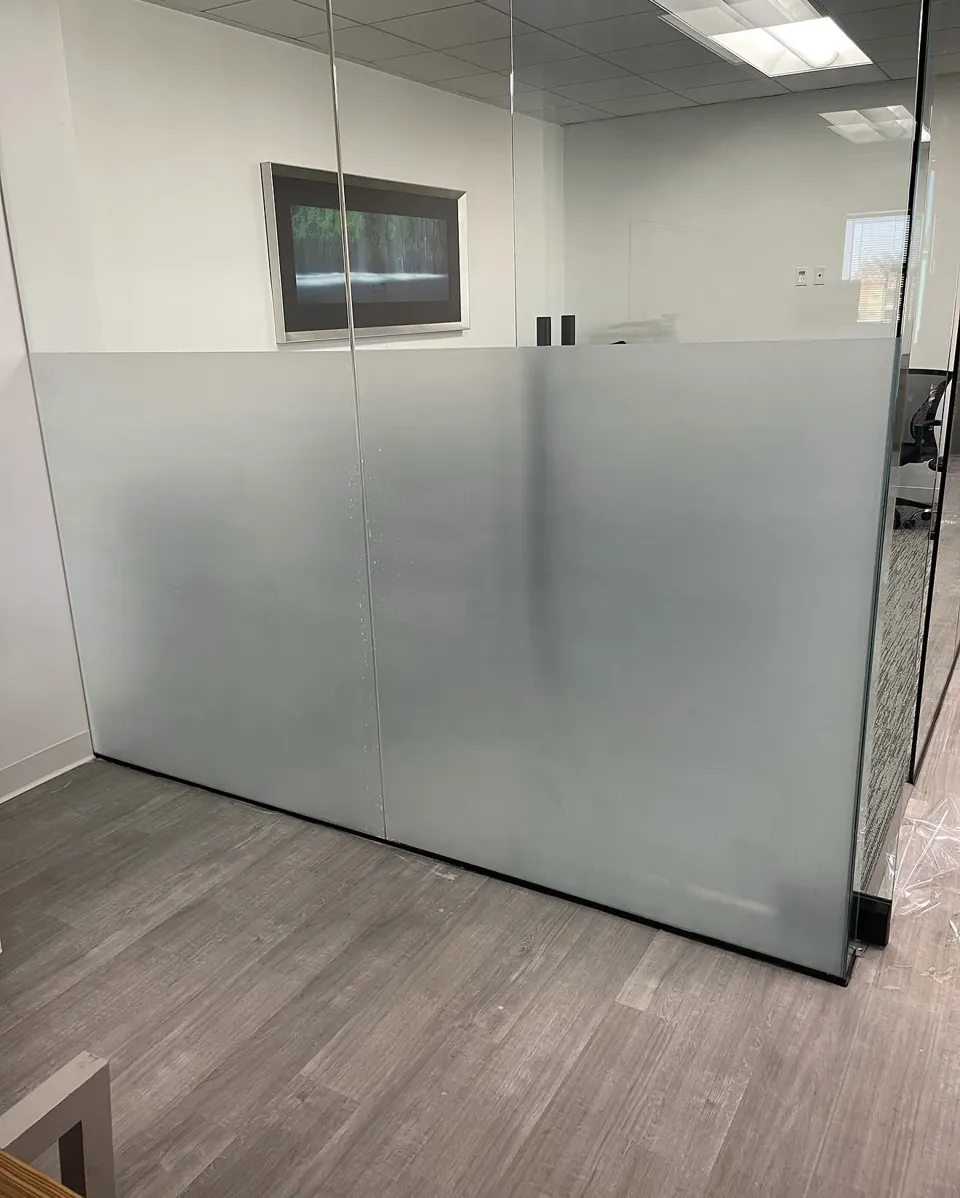
Clear glass or frosted? Compare the look
Slide to compare the original office photo with a simulated frosted treatment of the same photo. It shows the general look only; we bring real samples for your glass.
Original photo vs simulated frosted look
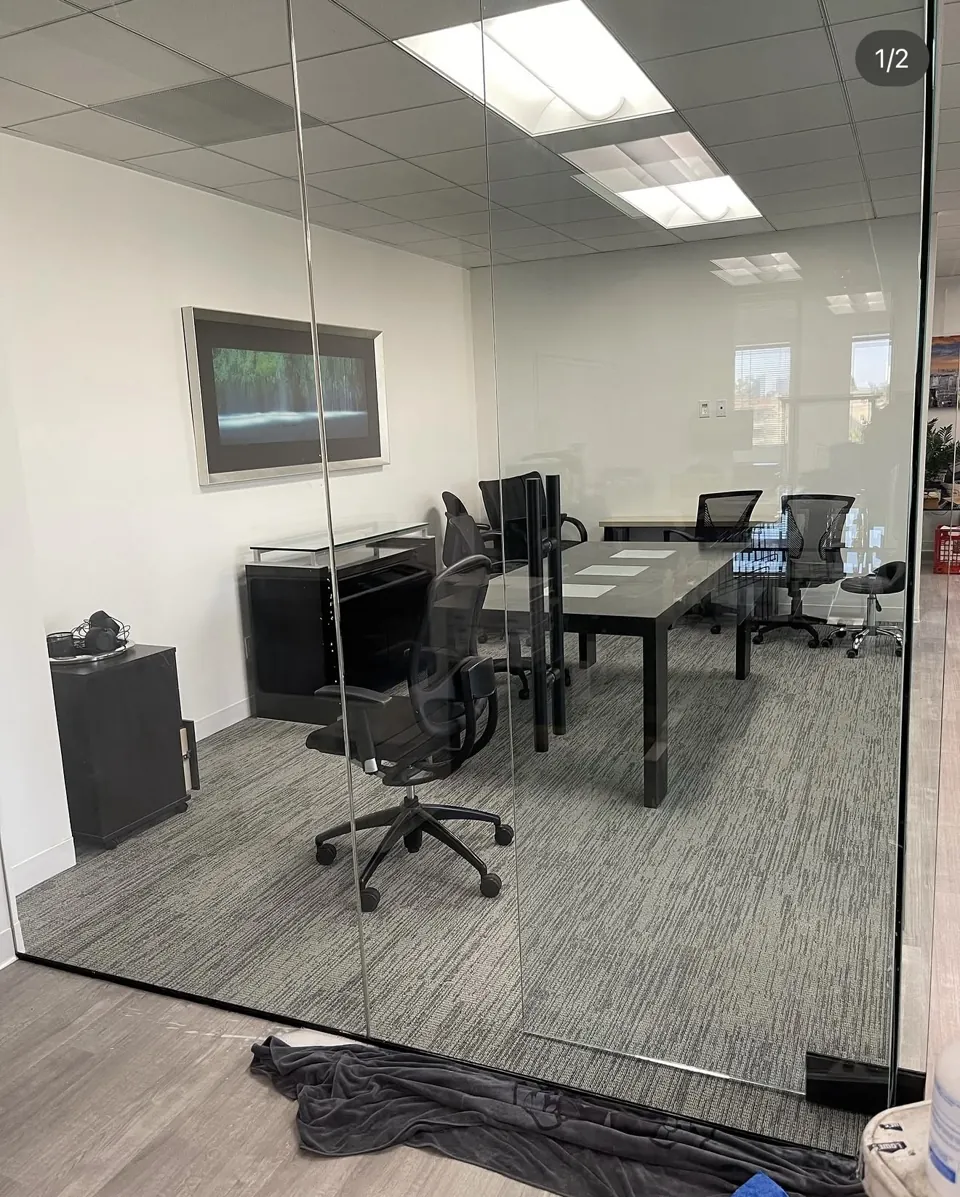 Original photoSimulated frosted look
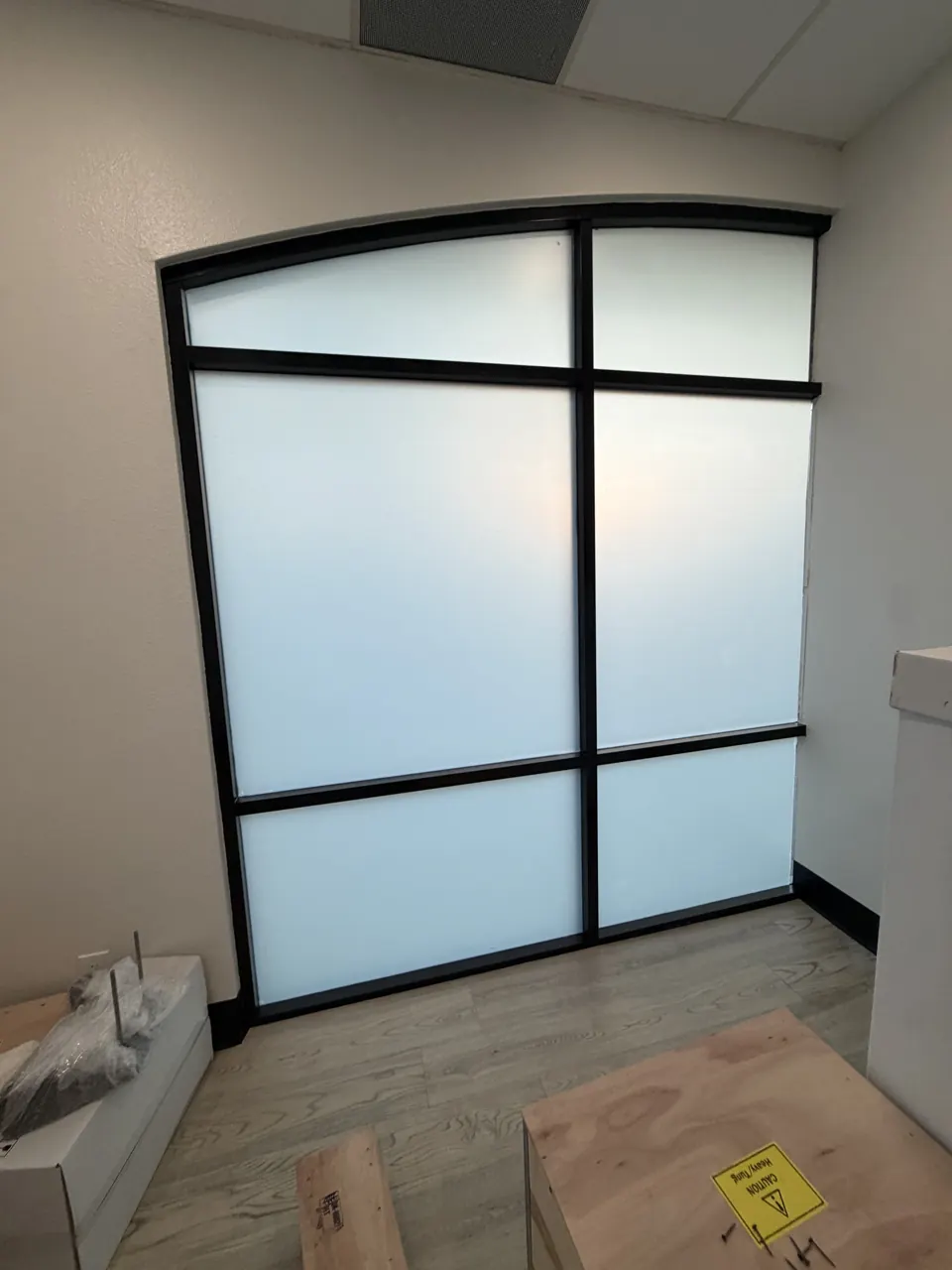
Project spotlights
Commercial project spotlights
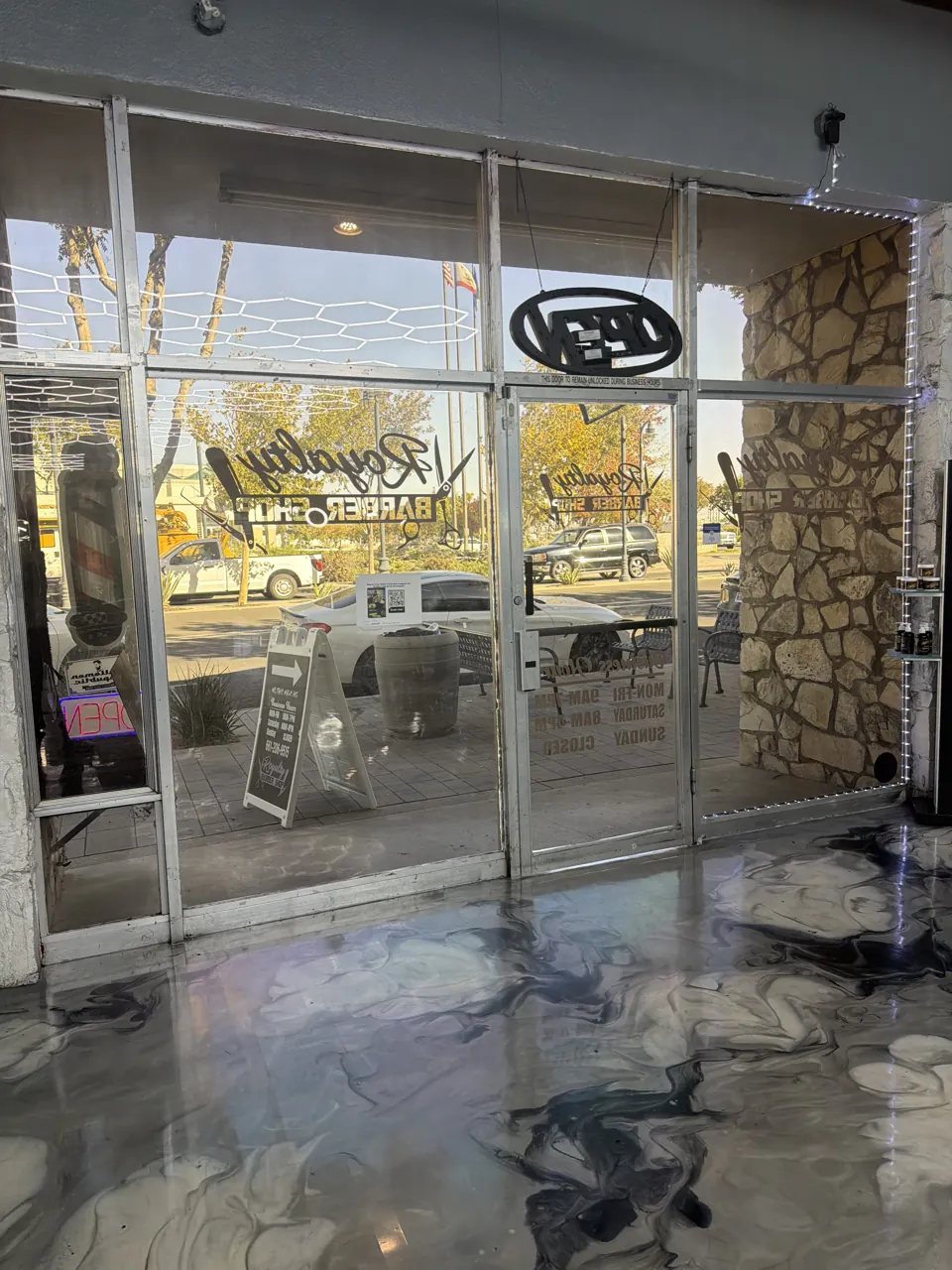
Office partitions and storefront glass from Fresh Off The Lot work.
How we work
Commercial process
Built around occupied buildings and property management realities.
1 · Walk the elevations
We look at orientation, glass type, existing coverings and where the complaints are coming from.
2 · Specify to the glazing
Film selected for the glass it's going on, with the manufacturer's approval and data sheet.
3 · Phase the work
Scheduled by floor, suite or elevation around tenant access and business hours.
4 · Document it
Warranty paperwork, care instructions and a record of what went where.
Options
Films we install in commercial buildings
Heat Rejection & Solar Control Film
Solar control film for rooms that never cool down
UV Protection Window Film
Reject ultraviolet light without changing how your glass looks
Fade Protection Window Film
Slow the fading of the things you already paid for
Glare Reduction Window Film
Keep the view. Lose the squint.
Privacy Window Film
Privacy that fits how the room is actually used
Decorative & Frosted Window Film
The etched-glass look, without replacing the glass
Reflective / Daytime Privacy Film
See out. Limit the view in — during daylight hours.
Dual-Reflective Window Film
Daytime privacy outside, a calmer surface inside
Safety & Security Window Film
Glass retention for building windows
Anti-Graffiti Window Film
Replace the film, not the glass
Blackout & Whiteout Film
Block the view: blackout or a bright whiteout finish
Answers
Commercial window film questions
Can window film reduce tenant comfort complaints?
Solar-control and glare films may help with sun-related hot spots and screen brightness. Results depend on the selected film, glazing and building; HVAC or other issues may require a different remedy.
Will window film change how our building looks from outside?
That's a specification decision. Neutral films read as a subtle, uniform shade; reflective films are deliberately visible. Applying one film across a full elevation usually improves appearance, because it replaces a patchwork of tenant blinds and shades with a consistent facade.
Can you work around occupied tenants?
Include occupancy, access hours and any phasing requirements in your inquiry so scheduling can be discussed before work is agreed.
Is window film cheaper than replacing commercial glazing?
Substantially, in most cases — it treats the existing glass rather than the whole assembly. It is not a substitute for replacing failed or damaged glazing, and we'll say so when replacement is the right call.
Do you handle multi-site or portfolio work?
Share each address and glazing details to discuss scope and availability. Different buildings may require different film specifications.
 Authorized XPEL VISION Dealer
XPEL VISION films for businesses
Fresh Off The Lot is an Authorized XPEL VISION Dealer. Compare these families for offices, storefronts and tenant glass; we confirm availability, compatibility and the exact product in your proposal.
- Clear View AlloyLight-to-medium alloy shades between ceramic and reflective looks.3 options · Interior
- Blend DRDual-reflective blend for strong sun and a muted interior look.4 options · Interior
- Exterior NeutralNeutral solar control applied to the outside of the glass.2 options · Exterior
- Anti-GraffitiA replaceable surface layer that takes scratches and tags instead of the glass.2 options · Exterior
These are published XPEL VISION products. We confirm availability, glass compatibility and the exact film in your estimate.
Further reading
Understand the glass before you choose
Scoping a building or a portfolio?
Send elevations, glass type if you know it, and the complaints you're fielding. We'll come back with a specification and a number.